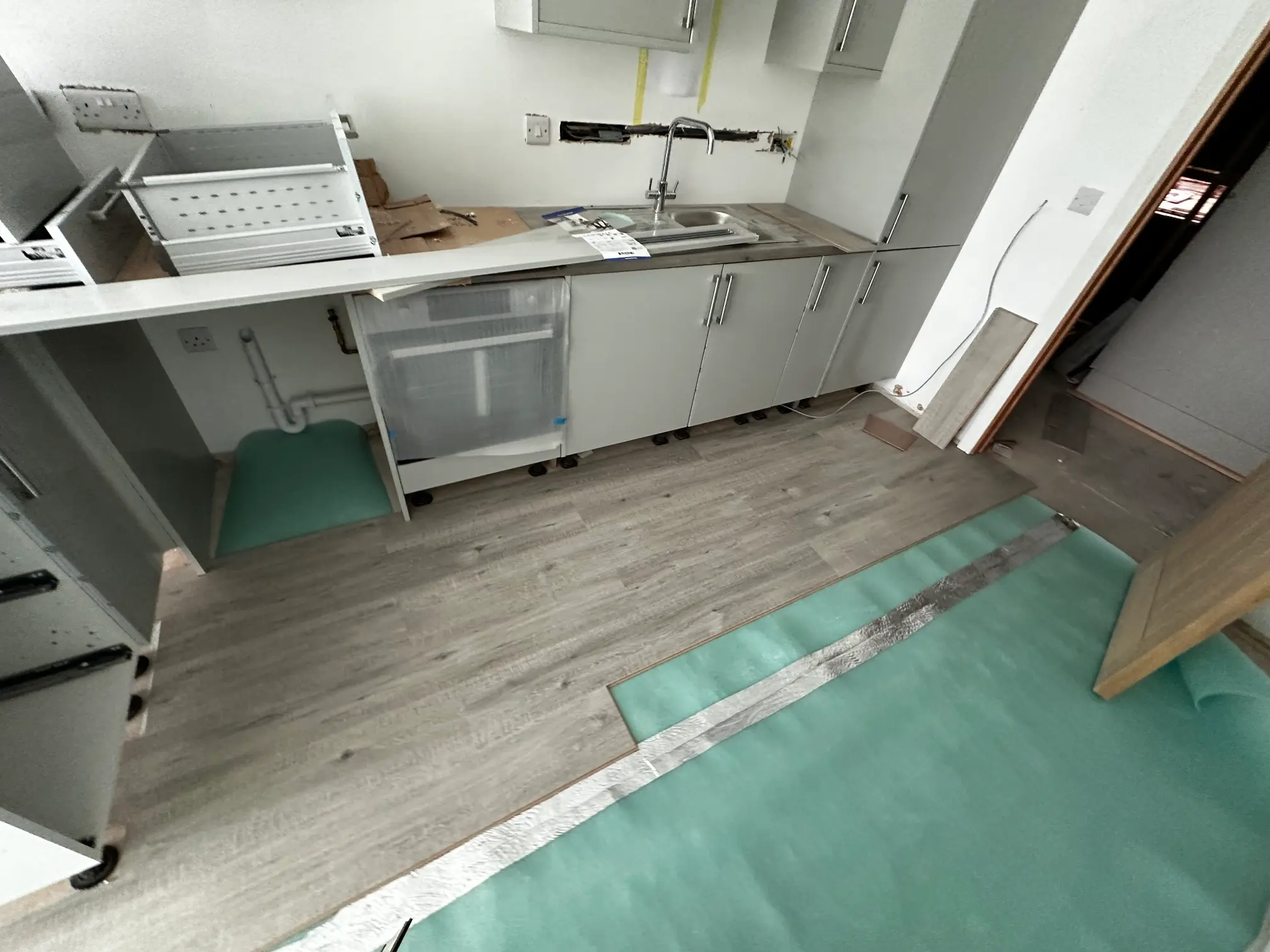
Laminate flooring that works in a real home
Good laminate flooring is not just a printed board that clicks together. In a busy home it has to cope with furniture, pets, children, sunlight, door thresholds, cleaning routines and the movement that happens as rooms warm up and cool down. The best installations start with the room, not the sample board: how the space is used, whether the floor runs through doorways, what the subfloor is made from and how moisture might enter the area.
Laminate is popular because it gives a clean timber look at a sensible cost, and modern products can be very convincing. It is still a floating floor with rules. If expansion gaps are missed, boards are forced tight under frames, or the wrong underlay is chosen, a floor that looked perfect on day one can lift, creak or separate later. If you are planning work in Oxfordshire, the main flooring installation service page explains how Fitedge helps with product choice, preparation and fitting. For local planning, see our Oxford flooring fitters and Didcot flooring fitters pages when they are relevant to your home.
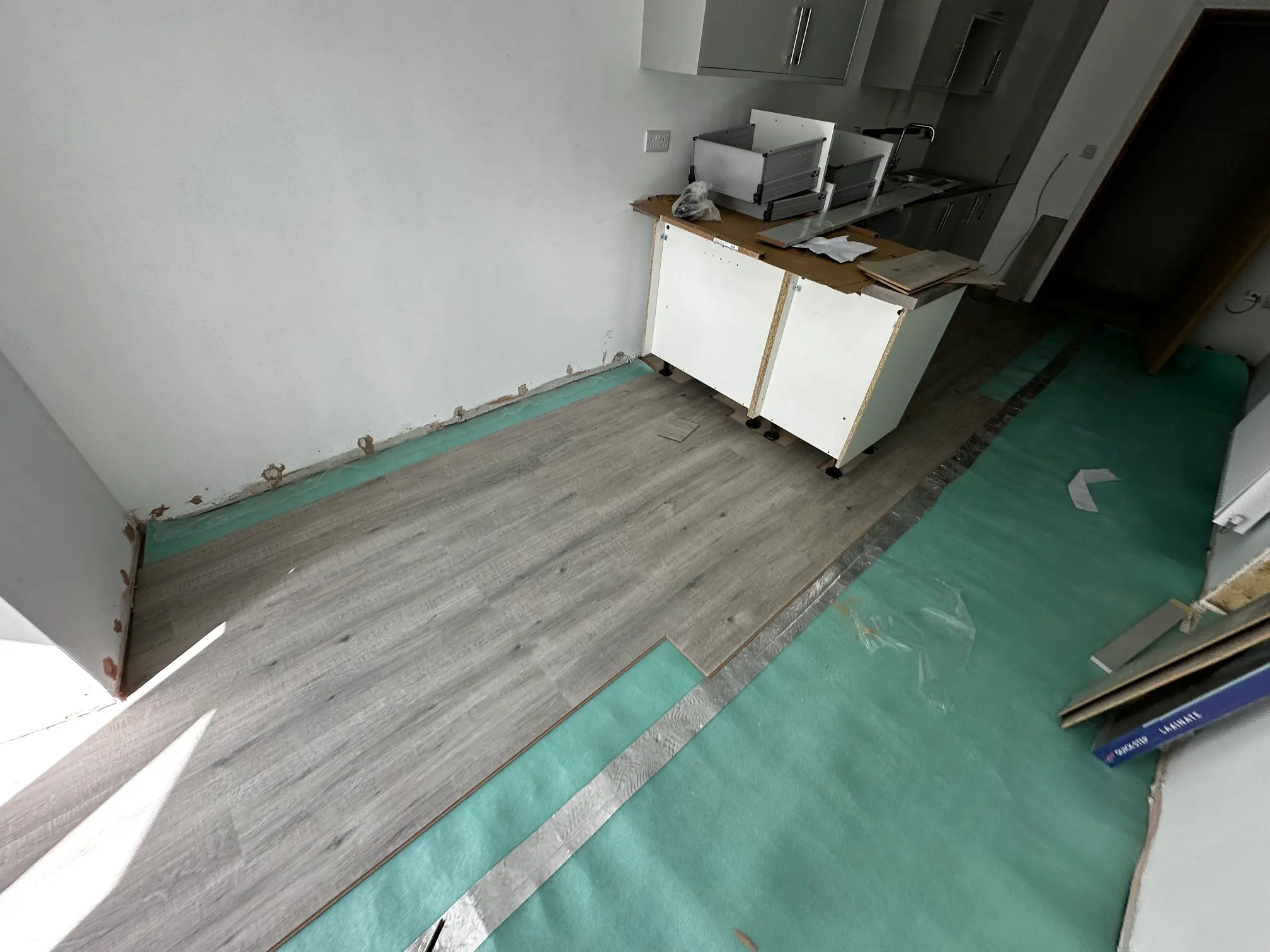
How to choose the right laminate flooring
Start with the room traffic. A spare bedroom does not need the same wear rating as a hallway with wet shoes and grit. For open-plan kitchens, utility routes and entrance halls, look carefully at moisture claims, joint protection and cleaning instructions. For upstairs rooms, impact sound and underlay choice may matter more than maximum water resistance.
Board thickness is useful, but it is not the whole story. A stable click system, a suitable wear layer, realistic bevels and a product that suits the subfloor are more important than choosing the thickest pack. Ask how the boards handle long runs, doorways and heavy furniture, especially if laying laminate flooring through several connected spaces.
- Choose a finish that suits the light level; very dark floors show dust and scratches more clearly.
- Check whether matching stair nosings, thresholds and scotia are available before ordering.
- Keep spare boards from the same batch for future repairs around doors or appliances.
Laminate vs engineered flooring
| Question | Laminate flooring | Engineered wood flooring |
|---|---|---|
| What is the surface? | A printed decorative layer protected by a wear coating. | A real timber veneer over a stable core. |
| Best for | Budget-conscious rooms, family areas and consistent colour. | Homeowners wanting real wood character with better stability than solid timber. |
| Repair options | Individual boards can sometimes be replaced; it cannot be sanded. | Some products can be lightly sanded depending on wear layer thickness. |
| Moisture handling | Standard and waterproof laminate options vary greatly by product. | Usually more moisture sensitive; check product guidance carefully. |
| Typical decision | Choose when durability, cost and low maintenance are priorities. | Choose when real wood appearance and long-term value matter more. |
Subfloor preparation, underlay and expansion gaps
The subfloor must be dry, clean, sound and level within the flooring manufacturer’s tolerance. Laminate will not hide a poor base; it will follow dips, rock over high spots and place stress on click joints. Concrete may need moisture protection. Timber boards may need securing, levelling or overboarding. Old soft flooring, loose tiles and crumbling adhesive should be assessed before installation.
Underlay should support the specific floor. Overly soft underlay can make joints flex. The right underlay can improve sound, comfort and moisture control, but it is not a cure for unevenness. Expansion gaps around walls, pipes, frames and fixed furniture are essential because the floor needs to move as one surface.
Recent Flooring Project
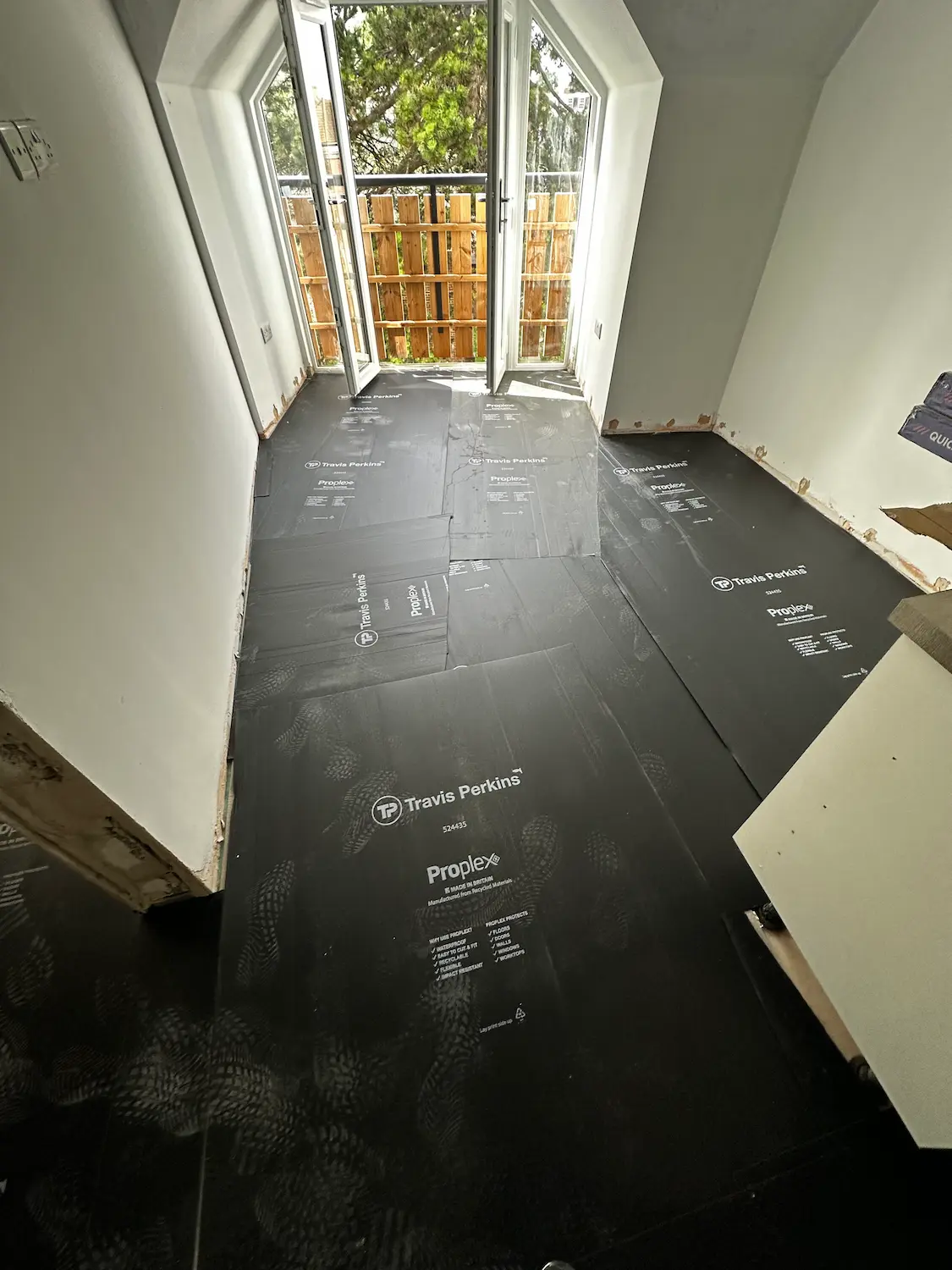
- Location:
- Didcot
- Floor Type:
- Waterproof Laminate Flooring
- Work Completed:
- Subfloor checks, acoustic underlay, laminate flooring installation through a family living area, neat door thresholds and perimeter finishing.
Common laminate flooring mistakes
Most failures are avoidable. The common pattern is rushing the preparation because the boards themselves look simple to fit. Laminate rewards patience: check the subfloor, plan the first and last rows, dry-lay awkward thresholds and avoid trapping the floor beneath fixed units.
- Skipping acclimatisation where the manufacturer requires it.
- Using a thick, spongy underlay that causes joint movement.
- Fitting too tightly around radiator pipes, door linings or kitchen end panels.
- Running very long areas without movement breaks where the product requires them.
- Assuming waterproof laminate flooring can tolerate leaks or standing water indefinitely.
Installation details that separate a tidy floor from an average one
Experienced floor fitters think ahead. They balance board widths so the final row is not a sliver, undercut frames where appropriate, keep cuts neat around pipes and use thresholds that suit the height of adjoining carpet, tile or wood. In hallways, alignment matters because long sightlines make small errors obvious.
If you compare flooring contractors, ask what is included: old floor removal, disposal, door trimming, trims, damp checks and furniture movement. A clear quote reduces surprises and helps the installation day run smoothly.
Room-by-room laminate planning
Bedrooms usually suit softer visual tones and an underlay that improves comfort under bare feet. Living rooms need a balance of scratch resistance and warmth, especially around sofas, dining chairs and television units that are moved for cleaning. Hallways are different again: they collect grit from shoes, create long sightlines and often include several door thresholds, so the layout must be planned carefully before laying laminate flooring.
Kitchens need the most cautious specification. Waterproof laminate flooring can be an excellent choice, but appliance legs, plinths, pipes and end panels create awkward details. The floor should not be trapped where it needs to move, and any cut edges near water sources should be protected in line with the product guidance.
What happens on installation day?
A smooth installation day starts with clear rooms, available power and agreed access for materials. The fitter will usually confirm board direction, check the subfloor again, set out the first rows and agree threshold details before cutting begins. Good communication at this stage avoids rushed decisions about trims, door bars and whether skirting or scotia will cover the expansion gap.
Once the floor is fitted, walk the room slowly. Check that doors open, thresholds are secure, pipe cuts are neat and the floor does not feel bouncy. Ask what cleaning products are suitable, how soon furniture can be replaced and whether heavy items need protective pads.