Carpet installation that feels right from day one
Carpet installation is about comfort, appearance and tension. A well-fitted carpet should sit flat, feel supported and finish neatly at skirting boards and thresholds. The carpet, underlay, gripper and subfloor all work together; if one element is poor, the finished room will not feel premium.
If you are planning work in Oxfordshire, the main flooring installation service page explains how Fitedge helps with product choice, preparation and fitting. For local planning, see our Oxford flooring fitters and Didcot flooring fitters pages when they are relevant to your home.
How to choose carpet for stairs, bedrooms and family rooms
Begin with the room rather than the brochure. Think about traffic, moisture, sunlight, furniture, children, pets, cleaning habits and how the floor meets adjoining rooms. A good flooring fitter will ask practical questions before recommending a product because the best-looking sample is not always the best long-term choice.
Also consider disruption. Some floors need more preparation, acclimatisation or finishing time than others. If the room is a main hallway or kitchen, sequencing the work around access and appliances can be just as important as the product itself.
Practical comparison
| Underlay type | Best suited to | Homeowner notes |
|---|---|---|
| PU foam | Bedrooms and general living spaces. | Comfortable and good value, available in different densities. |
| Rubber crumb | Stairs, halls and heavy traffic. | Firm, resilient and supportive under frequent use. |
| Felt combination | Traditional feel and insulation. | Can suit wool carpets and period homes. |
| Acoustic underlay | Upper floors and flats. | Helps reduce impact sound when compatible with the carpet. |
Preparation and fitting details
Preparation is where good flooring contractors earn their reputation. Subfloors need to be secure, level, clean and dry. Door clearances, thresholds, skirting, pipes and hearths should be planned before fitting starts. Where old flooring is removed, it is common to uncover loose boards, damaged gripper, uneven screed or previous repairs that need attention.
The visible finish depends on small decisions: where seams or board joints land, whether transitions are safe, how cuts are made around frames, and whether the floor can move correctly after the room is put back into use.
Recent Flooring Project
- Location:
- Abingdon
- Floor Type:
- Carpet and Underlay Installation
- Work Completed:
- Old carpet uplift, gripper checks, new underlay, carpet installation, stretching, trimming and doorway transitions.
Common carpet flooring mistakes
Homeowners usually run into problems when the floor is selected in isolation from the room. Avoiding the mistakes below will make the finished floor more durable and easier to live with.
- Reusing flattened or dusty underlay under an expensive new carpet.
- Measuring without allowing for roll width, alcoves, seams or pattern direction.
- Choosing a soft bedroom carpet for stairs.
- Leaving squeaky boards or protruding fixings beneath the new floor covering.
Costs, quotes and aftercare
Costs are affected by room size, product specification, old flooring removal, preparation, accessories, trims, waste, furniture movement and the complexity of the layout. A cheap square-metre fitting rate can be misleading if it excludes the work needed to make the floor last.
Aftercare should be discussed before the installer leaves. Ask how to clean the floor, when furniture can be replaced, what products to avoid and what warning signs need early attention. For tailored advice, contact Fitedge with room photos and your preferred finish.
Room-by-room carpet planning
Bedrooms can prioritise comfort, warmth and softness because they see lighter traffic. Lounges need a carpet that feels comfortable but can handle furniture marks and regular vacuuming. Stairs and landings need a much more resilient specification because every footstep lands in a concentrated area, and poor underlay will quickly make the carpet look tired.
For family homes, think about cleaning as much as colour. Very pale carpet can look beautiful in a sample book but may be unforgiving in halls, playrooms or rooms with pets. A practical carpet installation balances pile type, density, underlay and the way the room will be used every week.
What happens on fitting day?
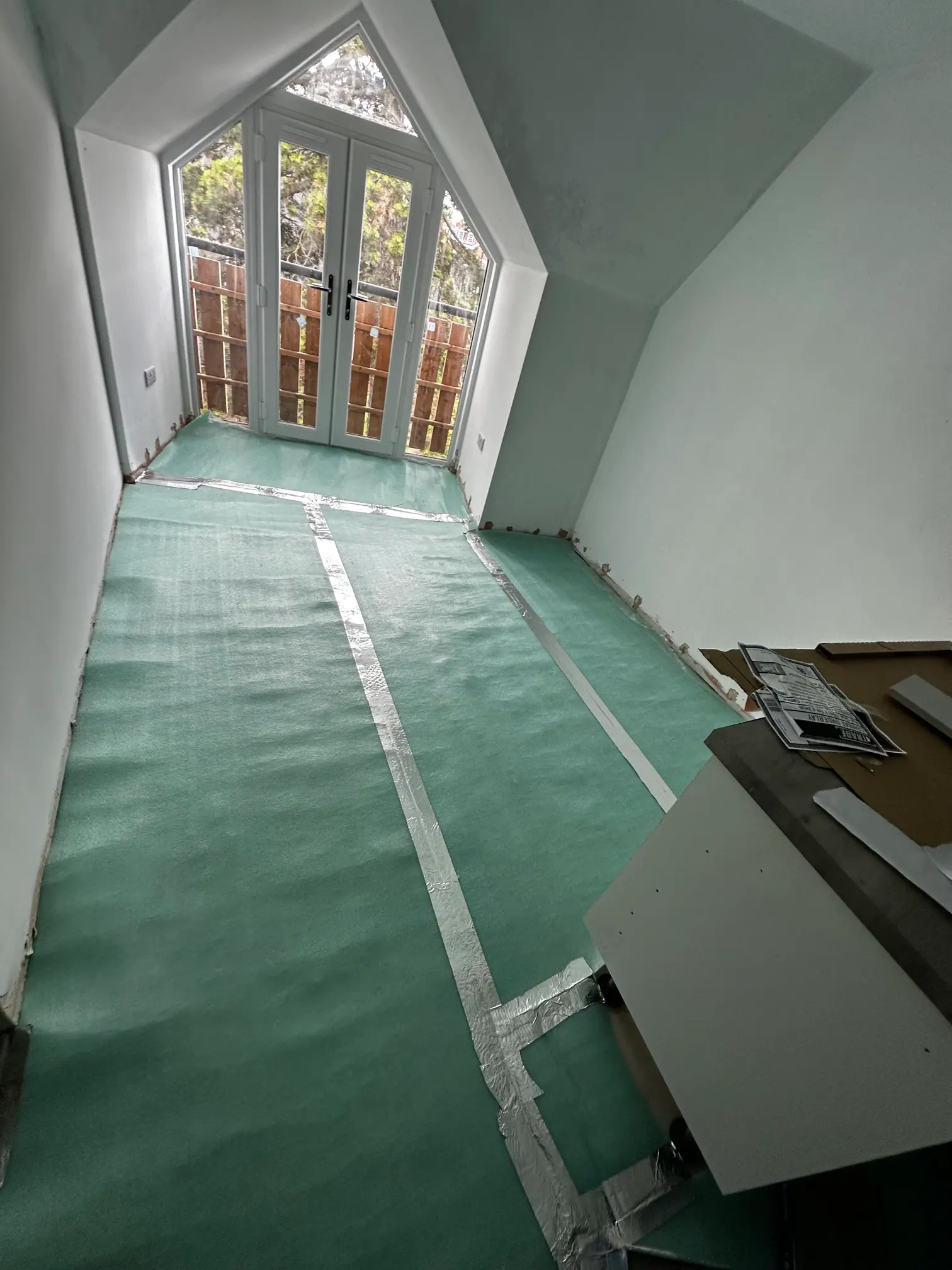
The room should be as clear as possible before the carpet fitters arrive. Old carpet and underlay may be lifted, gripper rods checked or replaced, and the subfloor inspected for squeaks, protruding fixings or damaged boards. Underlay is then cut neatly, taped where needed and kept flat so the carpet has a consistent base.
The carpet is positioned, stretched, trimmed and secured. Good fitting is visible at the edges: no ragged cuts, no loose thresholds, no ripples and no unsafe transition where carpet meets laminate flooring, tile or wood. Before furniture returns, ask how long the carpet needs to settle and how to deal with early vacuuming or pile shading.