Hardwood and engineered wood flooring with long-term value
Wood flooring installation is more sensitive to moisture than laminate or carpet installation. Before boards are ordered, the subfloor, heating, humidity, sunlight and room use should be reviewed. Solid hardwood floor installation suits homeowners who want a traditional timber floor and accept natural movement. Engineered wood often gives the same warmth with more practical stability.
If you are planning work in Oxfordshire, the main flooring installation service page explains how Fitedge helps with product choice, preparation and fitting. For local planning, see our Oxford flooring fitters and Didcot flooring fitters pages when they are relevant to your home.
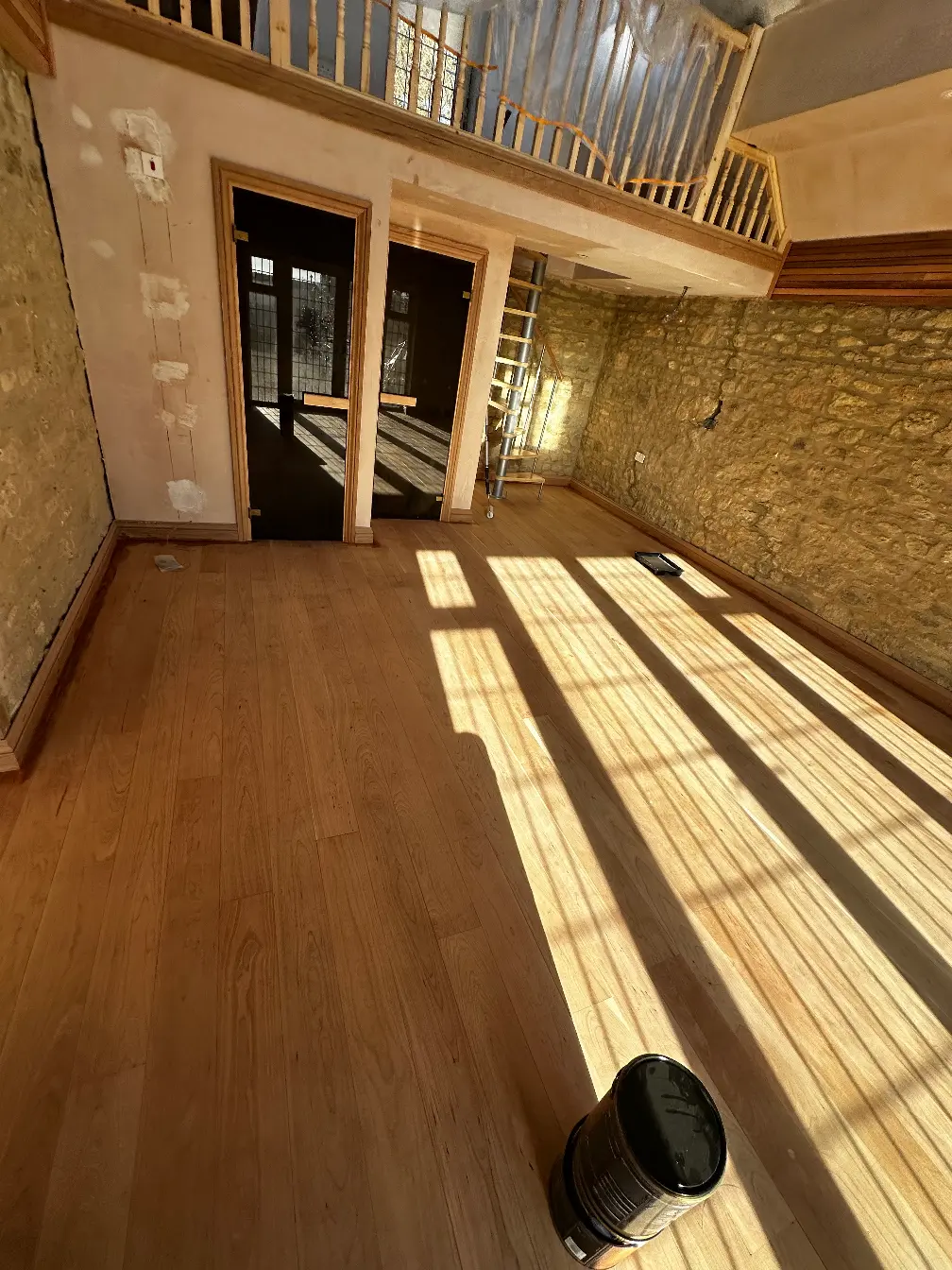
How to choose between hardwood and engineered flooring
Begin with the room rather than the brochure. Think about traffic, moisture, sunlight, furniture, children, pets, cleaning habits and how the floor meets adjoining rooms. A good flooring fitter will ask practical questions before recommending a product because the best-looking sample is not always the best long-term choice.
Also consider disruption. Some floors need more preparation, acclimatisation or finishing time than others. If the room is a main hallway or kitchen, sequencing the work around access and appliances can be just as important as the product itself.
Practical comparison
| Decision | Solid hardwood | Engineered wood |
|---|---|---|
| Construction | One piece of timber through the full board. | Real wood wear layer bonded to a layered core. |
| Stability | More seasonal movement; needs suitable dry rooms. | Generally more stable for modern heated homes. |
| Refinishing | Can often be sanded multiple times. | Depends on wear layer thickness. |
| Best use | Living rooms, bedrooms and traditional spaces. | Open-plan areas, wider boards and some UFH-approved projects. |
Preparation and fitting details
Preparation is where good flooring contractors earn their reputation. Subfloors need to be secure, level, clean and dry. Door clearances, thresholds, skirting, pipes and hearths should be planned before fitting starts. Where old flooring is removed, it is common to uncover loose boards, damaged gripper, uneven screed or previous repairs that need attention.
The visible finish depends on small decisions: where seams or board joints land, whether transitions are safe, how cuts are made around frames, and whether the floor can move correctly after the room is put back into use.
Recent Flooring Project
- Location:
- Wallingford
- Floor Type:
- Engineered Wood Flooring
- Work Completed:
- Subfloor preparation, underlay selection, engineered wood flooring installation, threshold detailing and final care advice.
Common hardwood flooring mistakes
Homeowners usually run into problems when the floor is selected in isolation from the room. Avoiding the mistakes below will make the finished floor more durable and easier to live with.
- Choosing solid timber for damp rooms or ignoring subfloor moisture.
- Expecting every board to be identical; natural variation is part of the material.
- Cleaning with steam or soaking water.
- Skipping expansion planning at hearths, thresholds and long runs.
Costs, quotes and aftercare
Costs are affected by room size, product specification, old flooring removal, preparation, accessories, trims, waste, furniture movement and the complexity of the layout. A cheap square-metre fitting rate can be misleading if it excludes the work needed to make the floor last.
Aftercare should be discussed before the installer leaves. Ask how to clean the floor, when furniture can be replaced, what products to avoid and what warning signs need early attention. For tailored advice, contact Fitedge with room photos and your preferred finish.
Room-by-room wood flooring planning
Wood flooring can transform living rooms, dining rooms and bedrooms, but every room creates different pressures on the floor. South-facing rooms may experience stronger sunlight and colour change. Hallways need a finish that can cope with grit and shoes. Open-plan spaces may need movement breaks or careful board direction to keep the finished floor looking balanced.
Kitchens require an honest discussion. Some homeowners love wood in kitchens and are happy to wipe spills immediately; others would be better served by waterproof laminate flooring or another moisture-resistant product. The right advice is not always the most expensive option, it is the option that suits the way the home is actually used.
What happens on installation day?
For hardwood floor installation, the fitting day is only one part of the process. Moisture readings, acclimatisation, adhesive selection, underlay choice and layout planning may happen before boards are fixed. If the product has strong colour variation, boards should be mixed from different packs so the room looks natural rather than patchy.
After fitting, ask for clear aftercare advice. Wood floors dislike excess water and harsh cleaners, but they respond well to simple routine care: mats at entrances, felt pads under furniture, regular dust removal and prompt attention to spills.